Moroccan Couscous: Tradition, Preparation and What to Expect
Learn what Moroccan couscous is, how semolina is rolled and steamed, how regional versions vary, and what visitors can expect when sharing it.
Couscous is both food and a way of gathering. A Moroccan serving begins with tiny, separate granules of steamed semolina, then builds a complete meal with broth, vegetables, and accompaniments that change with place, season, household, and occasion. It may arrive on one generous communal platter or in individual portions, but its association with sharing remains central.
That social and practical knowledge matters as much as a list of ingredients. In 2020, UNESCO inscribed the knowledge, know-how and practices surrounding couscous on the Representative List of the Intangible Cultural Heritage of Humanity through a joint nomination by Algeria, Mauritania, Morocco, and Tunisia.
What couscous actually is
The word “couscous” can refer to the small semolina granules and to the finished dish served with them. It is not simply boiled grain with toppings. Traditional preparation develops the granules before they become the base of the meal.
UNESCO describes a sequence that begins with cereal cultivation and grinding. The resulting semolina is rolled by hand, steamed, and then cooked. Hand-rolling helps form small granules; steaming cooks them while preserving a light, separated texture. Preparing a large quantity well requires experience with moisture, movement, and timing rather than one mechanical step.
The finished semolina is commonly served with broth and an arrangement of vegetables and protein. Morocco’s official tourism office calls couscous a versatile, convivial staple and notes versions with meat, vegetables, fish, chicken, and sometimes sweet elements. The broth may be served with the dish or offered so diners can add it according to preference.
From semolina to a shared platter
Rolling and steaming
Traditional hand preparation gradually works semolina with moisture until granules form. They are separated so they do not become one dense mass, then steamed. Depending on the method and quantity, cooks may aerate and steam the couscous more than once.
This labour is part of the heritage. UNESCO emphasizes not only the finished dish but also the methods, tools, circumstances of consumption, and knowledge passed on through observation and imitation. A visitor sees the final platter; behind it is a practiced sequence learned over time.
Broth, vegetables, and protein
There is no single ingredient formula for all Moroccan couscous. Common vegetable examples include carrots, turnips, zucchini or courgette, pumpkin or squash, cabbage, tomatoes, onions, and chickpeas. A particular plate might use several of these, different produce, or a simpler combination.
Meat or chicken are familiar possibilities, while some regional or household versions use fish or focus on vegetables. Sweet-and-savoury garnishes also exist. These examples describe the wider tradition, not a guaranteed restaurant recipe. Always read the actual menu or ask what that day’s couscous contains.
Why recipes vary
UNESCO explicitly states that vegetables and meats vary by region, season, and occasion. That point explains why two authentic servings may look and taste different.
Regional variation
Local habits influence the grain, broth, seasoning, vegetables, protein, and presentation. A coastal setting may inspire different choices from an inland household, but geography alone does not predict a recipe. Ask rather than assuming fish will appear near the ocean or that one city has only one accepted style.
Seasonal variation
Vegetable selection can follow what is appropriate or available at a particular time. Squash, cabbage, courgette, or root vegetables need not appear together on every platter. Seasonal change is part of the dish’s flexibility.
Family and occasion
Household practice also matters. Recipes are transmitted through watching, helping, and repeating. A weekday family meal, a Friday gathering, and a special occasion may differ in scale or composition while remaining recognizably couscous.
Friday, sharing, and conviviality
The Moroccan National Tourist Office’s food guide identifies couscous as a staple traditionally eaten on Fridays. For a visitor, that does not mean every restaurant serves it every Friday or only on Friday. It explains the strong cultural association between the dish, the end of the working week, and a meal shared with others.
UNESCO describes couscous in terms of solidarity, conviviality, sharing meals, and togetherness. A large platter naturally supports that experience: diners gather around one central dish, with vegetables and protein arranged over the semolina and broth bringing the elements together.
Sharing customs differ by host and venue. Follow the lead of the people serving you. In a restaurant, you may receive an individual plate, a platter intended for several diners, or serving utensils that make expectations clear.
What a visitor can expect
A layered rather than mixed presentation
Couscous often arrives with the semolina forming the base and vegetables and protein placed over it. Broth moistens and flavours the grains. The arrangement may be carefully structured before it is shared.
A dish that rewards questions
Before ordering, ask:
- Which vegetables and protein are included?
- Is the portion individual or designed for sharing?
- Is broth served with it?
- Are there sweet garnishes or chickpeas?
- Can staff advise on the allergies or dietary restrictions you state?
The name alone cannot answer those questions because legitimate versions vary.
Time and care
Rolling semolina, steaming it, preparing broth, and cooking accompaniments make couscous more than a quick assembly. Some restaurants may offer it on particular days or require advance planning. Confirm the venue’s current practice rather than treating the Friday tradition as a service guarantee.
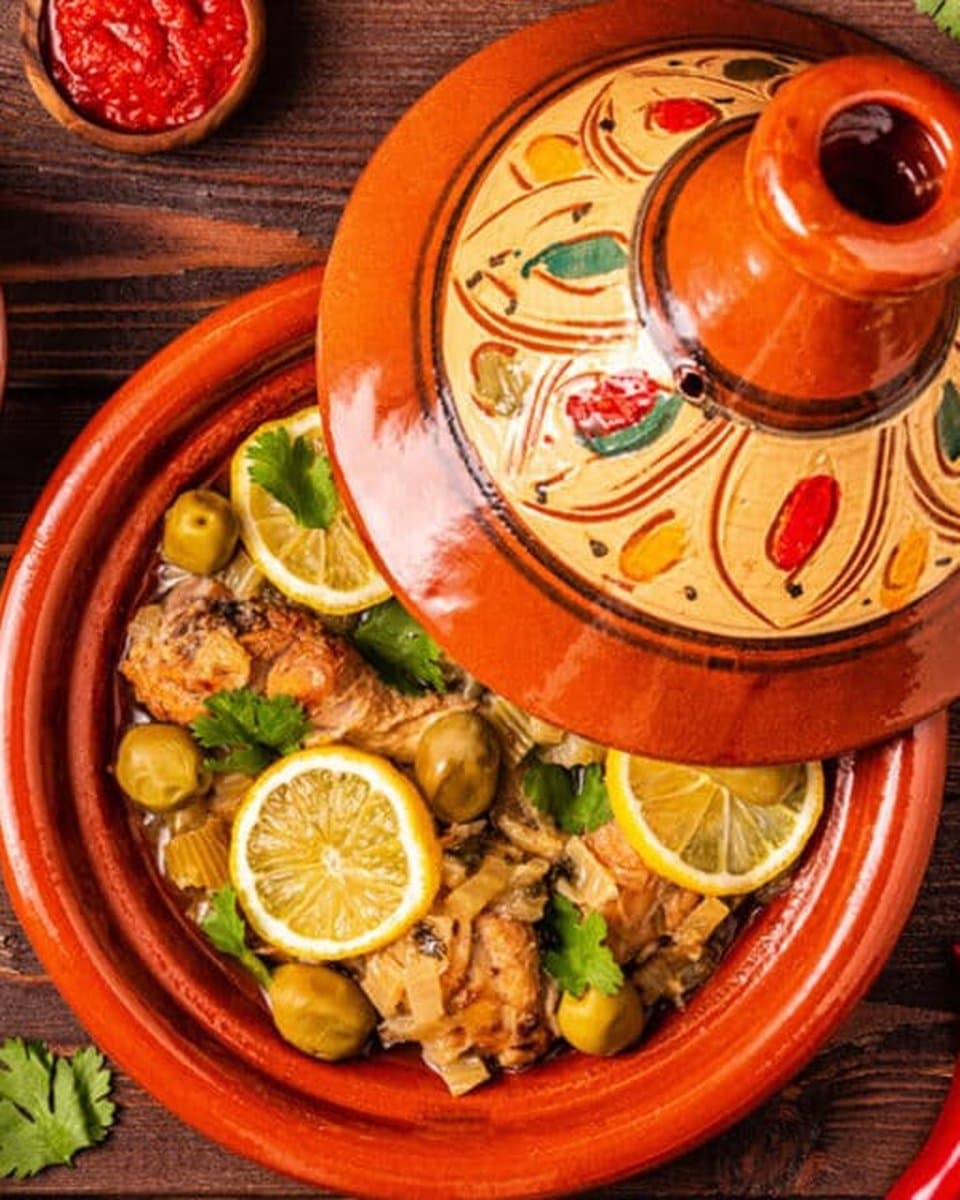
Couscous is not tagine
Couscous centres on steamed semolina granules served with broth and accompaniments. Tagine refers to both a covered cooking vessel and the dish prepared in it. The two can share vegetables, meat, fish, or Moroccan seasonings, but their structure and cooking method are different.
If you want to understand the covered-vessel preparation, read the Moroccan tagine guide. The traditional Moroccan dishes in Agadir guide places both within a wider first-time food plan.
Planning couscous in Agadir
Check the venue’s current offering before making couscous the centre of a reservation. Plage Bleue’s currently published menu does not list couscous; that is a brief menu fact, not a statement about the wider Moroccan tradition. Use contact for current restaurant questions, or explore the documented setting on the experience page.
For other ways to plan meals around Moroccan food, fish, and shared dining, continue to the Agadir food guide or the fish tagine guide.
The most important expectation is variation. Couscous is defined not by one fixed list of vegetables but by skilled preparation of the semolina, the relationship between grains and broth, and a deeply rooted culture of sharing the finished meal.
Questions fréquentes
What is Moroccan couscous?
It is a dish built around tiny granules of semolina that are traditionally rolled by hand, steamed, and served with broth, vegetables, and varying choices of meat, chicken, fish, or other accompaniments.
Why is couscous traditionally eaten on Friday in Morocco?
Morocco's official tourism office identifies couscous as a convivial staple traditionally eaten on Fridays, when it commonly brings people together for a shared meal.
Are all Moroccan couscous dishes the same?
No. Vegetables, proteins, broths, garnishes, and serving customs vary by region, season, household, and occasion.
Is couscous the same as tagine?
No. Couscous centres on steamed semolina granules and their accompaniments, while tagine refers to both a cooking vessel and dishes prepared in that style.
Related articles
Traditional Moroccan Dishes to Explore in Agadir
Explore Moroccan breakfast, salads and tagines available in Agadir, with practical guidance for choosing chicken, lamb, kefta, fish or seafood.
Moroccan Tagine Guide: How to Choose from the Menu
Compare chicken, lamb, kefta, fish and seafood tagines with a practical guide to ingredients, prices, portions and ordering questions.
What to Eat in Agadir: A Practical Food Guide
Plan what to eat in Agadir with a practical guide to Moroccan dishes, fish, seafood, breakfast, and choosing a meal for your schedule.